

Where do I start?
Constructing a Healthy Black Christian Identity
Contributor G. Tyler Burns
As a pastor and ministry leader, I have observed a startling trend. When Black teenagers and Young Adults, enter into the faith, they are presented a gospel that does not consider the fullness of their identities. They are given books that have never considered where they grew up, and most importantly, how God has created and wired them.
As a result, many young Black Christians are unaware of the truth that their blackness and their faith do not have to be at odds with one another. As a matter of fact that God created them, knowing exactly who they would be and how they would express themselves culturally. Here at The Witness we want to create resources for young black Christians. We’re trying to figure out: Where do I start?
Truthfully, there are dozens of resources that we could recommend here. But we simply want to give a starter list of places where young black Christians can begin to be introduced to the fullness of perspective on their identity. We are fearfully and wonderfully made, in the righteousness of God in Christ Jesus. Every part of us must be considered as we process and work through our faith in our Savior, Jesus Christ.
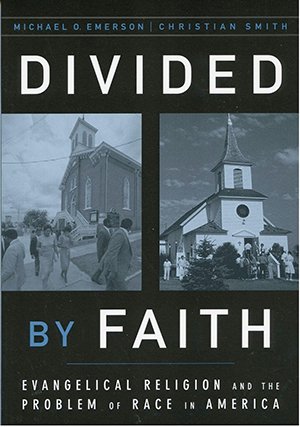
1. Divided by Faith: Evangelical Religion and the Problem of Race in America Michael O. Emerson & Christian Smith
Divided By Faith is a helpful resource for answering the question: why do we practice our faith differently across racial and ethnic lines? This landmark sociological study examines how American evangelical theology and social structures have contributed to racial division. Drawing on interviews and research data, the authors argue that individualistic frameworks within white evangelicalism have often prevented meaningful engagement with systemic injustice.
The book is essential, primarily because it offers a structural lens for understanding why racial reconciliation efforts frequently stall. It serves as a diagnosis of how theological assumptions shape racial realities within the church.
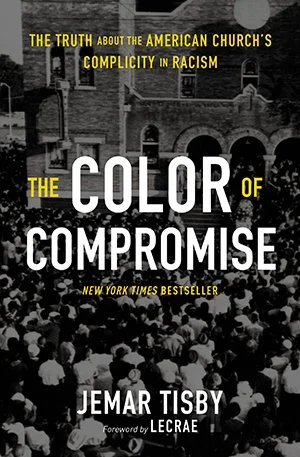
2. The Color of Compromise: The Truth about the American Church’s Complicity in Racism – Jemar Tisby
A NY Times Bestseller, The Color of Compromise is a landmark historical survey that traces the American church’s repeated complicity with racism from the colonial era to the present. With unflinching clarity, Dr. Tisby documents moments of silence, resistance, and moral failure around race and racism in the church. He argues that compromise, not conviction, has too often defined the church’s racial witness.
Blending narrative history with theological reflection, the book calls for honest reckoning and active repair. It situates present tensions within a broader historical arc that cannot be ignored.
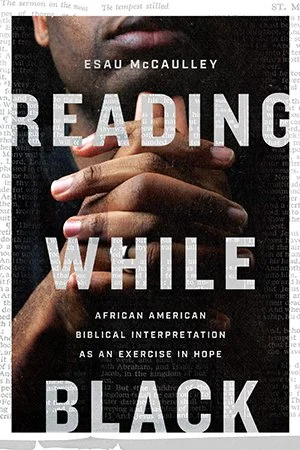
3. Reading While Black: African American Biblical Interpretation as an Exercise in Hope – Esau McCaulley
This book answers the crucial question: why do we read the Scriptures differently across racial and ethnic lines? Dr. McCaulley presents a defense of the Black church tradition as a faithful and orthodox way of reading Scripture. Engaging issues such as justice, policing, and political participation, he demonstrates how the Bible speaks powerfully when interpreted through historically marginalized communities.
Rather than departing from historic Christianity, McCaulley argues that the Black Church has preserved and embodied it in distinctive and faithful ways. The book reclaims biblical interpretation as both intellectually rigorous and socially engaged
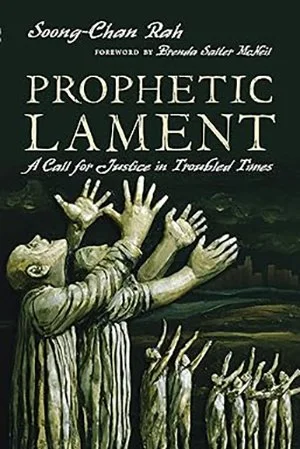
4. Prophetic Lament: A Call for Justice in Troubled Times – Soong-Chan Rah
Dr. Soong-Chan Rah is a brilliant voice who has written numerous books contending that Western Christianity has neglected the biblical practice of lament in favor of optimism. Drawing from Lamentations and global Christian traditions, he calls the church to recover grief as a necessary spiritual discipline.
The book presents the idea of lament not as weakness but as covenantal protest rooted in relationship with God. It invites the church to make space for sorrow, injustice, and unresolved pain within its worship and theology.
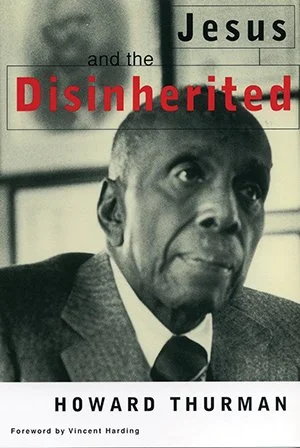
5. Jesus and the Disinherited – Howard Thurman
Dr. Howard Thurman is widely considered the spiritual godfather of many protest movements. Originally written in the mid-20th century, Thurman’s classic work explores the teachings of Jesus through the lens of those “with their backs against the wall.” He examines fear, deception, and hatred as common responses to oppression and contrasts them with the inner freedom offered in Christ.
Both theological and pastoral, this book shaped generations of leaders, including figures within the Civil Rights Movement like Dr. Martin Luther King, Jr. It presents Jesus as a source of spiritual resilience and moral courage for marginalized people.
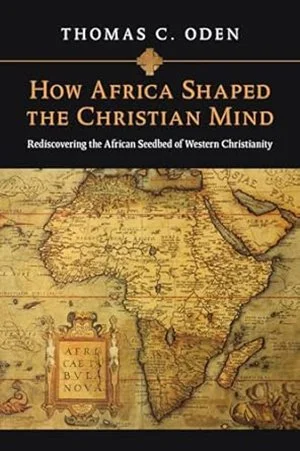
6. How Africa Shaped the Christian Mind: Rediscovering the African Seedbed of Western Christianity – Thomas C. Oden
Dr. Thomas C. Oden is an essential scholar in the push to hold onto the many African contributions to what we know as the Christian faith. In this book, Oden challenges the assumption that Christianity is primarily a European religion. He brilliantly documents Africa’s central role in shaping early Christian doctrine. He highlights the theological contributions of North African thinkers who were foundational to orthodox Christianity.
By recovering this history, the book reframes the intellectual roots of the faith as deeply African and globally interconnected. It invites a reconsideration of how Christian identity has been narrated and understood.
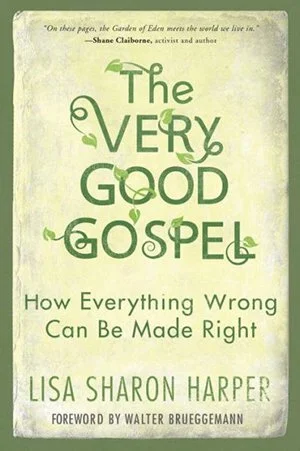
7. The Very Good Gospel: How Everything Wrong Can Be Made Right – Lisa Sharon Harper
In this book, Lisa Sharon Harper reframes the gospel around the biblical vision of shalom, which is the restoration of right relationship with God, self, neighbor, and creation. Tracing the story of Scripture from Genesis to Revelation, she argues that salvation is not merely personal rescue but cosmic reconciliation.
The book integrates theology, justice, and public life into a cohesive vision of God’s redemptive mission. It presents the gospel as good news for everything broken, extending beyond individual souls to communities and systems
